
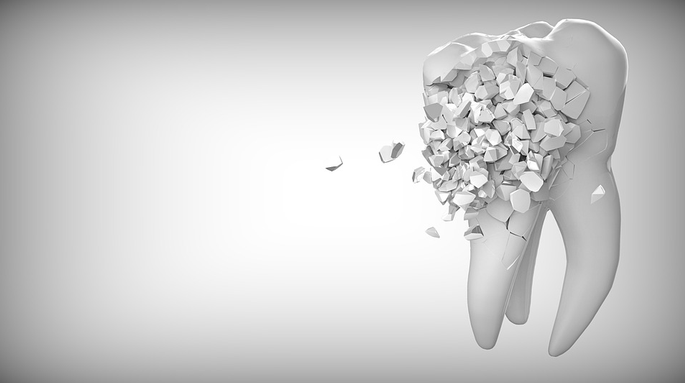
Feeling a sharp twinge when drinking cold water or eating something sweet can be uncomfortable. Many people immediately suspect a cavity, especially when the pain appears suddenly. However, tooth sensitivity can develop even when no visible cavities are present. The discomfort may result from worn enamel, receding gums, exposed tooth roots, or other dental conditions that affect the protective layers of the teeth. Sometimes, the cause is not obvious without a professional examination. Understanding why sensitivity occurs can help people recognize possible triggers and choose appropriate care. Although mild discomfort may seem harmless, persistent or worsening sensitivity deserves attention because it can indicate an underlying dental problem.
Understanding How Tooth Sensitivity Develops
Tooth sensitivity often occurs when the protective enamel becomes thinner, or the dentin underneath becomes exposed. Dentin contains tiny channels that connect toward the inner part of the tooth, where nerves are located. When these channels are exposed to cold, heat, pressure, or certain foods, they can trigger a brief, sharp sensation. Healthy enamel protects the underlying structures from everyday changes in temperature and contact. However, enamel cannot repair itself in the same way that living tissues can. Once significant wear occurs, the affected area may become more vulnerable to external stimuli. Sensitivity does not always mean the tooth is damaged beyond repair. Some cases respond well to changes in oral hygiene and the use of suitable dental products. Still, the cause needs to be understood before treatment begins. A dentist can examine the teeth, gums, and bite to determine whether the discomfort comes from ordinary sensitivity or another condition requiring attention.
Experiencing Enamel Wear From Daily Habits

Enamel gradually experiences wear through everyday use, but certain habits can speed up the process. Brushing too forcefully, using a hard-bristled toothbrush, or frequently consuming acidic foods and drinks may contribute to enamel erosion or surface damage. Acidic beverages such as soft drinks, citrus juices, and some energy drinks can temporarily soften enamel. Brushing immediately afterward may increase wear on the softened surface. Over time, the protective layer may become thinner, allowing external stimuli to affect the dentin more easily. Changing these habits can help reduce further damage. Using a soft-bristled toothbrush, applying gentle pressure, and choosing fluoride toothpaste are useful steps. After consuming acidic foods or drinks, rinsing with water and waiting before brushing may also help protect the enamel. These measures support prevention, but they cannot restore enamel that has already been significantly lost. A dental professional can recommend appropriate treatments based on the severity and location of the wear.
Recognizing Gum Recession and Exposed Roots
Tooth sensitivity can also develop when the gums move away from the teeth. This condition, known as gum recession, exposes parts of the tooth root that are normally protected by gum tissue. Unlike the crown, the root surface does not have the same thick enamel covering. Exposed roots can react strongly to cold drinks, hot foods, sweet substances, and even contact with a toothbrush. Recession may develop because of aggressive brushing, gum disease, naturally thin gum tissue, or other factors affecting oral health. The change may be difficult to notice at first. Some people only realize something is wrong when a tooth becomes sensitive or appears longer than neighboring teeth. Others experience discomfort while brushing near the gumline. Gentle brushing and regular dental cleanings can help support gum health. If recession is associated with gum disease, professional treatment may be necessary. A dentist can assess the cause and explain whether protective treatments or other procedures would be appropriate.
Identifying Teeth Grinding and Dental Damage
Repeated pressure from clenching or grinding can contribute to tooth sensitivity. This habit, called bruxism, often occurs during sleep, meaning people may not realize they are doing it. The repeated force can wear down enamel, place stress on teeth, and sometimes cause small cracks. A damaged tooth may remain sensitive even when no cavity is visible. Discomfort might appear when biting, chewing, or releasing pressure. Some people also experience jaw soreness, headaches, or tenderness around the teeth after waking. Cracks can be difficult to detect because they may be extremely small or located below the visible surface. A dentist may need specific examination techniques to identify the problem and determine its severity. Treatment depends on the cause. A professionally fitted night guard may help protect teeth from grinding, while a cracked tooth may require additional dental care. Avoiding hard objects and not using teeth to open packaging can also reduce unnecessary pressure and damage.
Considering Other Causes of Sensitivity

Not all tooth sensitivity results from enamel wear, gum recession, or grinding. Recent dental procedures, including fillings, whitening treatments, and professional cleaning, can sometimes cause temporary discomfort. This usually improves as the teeth settle, although persistent pain should be evaluated. Acid reflux may expose teeth to stomach acid, gradually affecting enamel. Frequent vomiting can have a similar effect. In addition, certain dental restorations may develop problems over time, allowing sensitivity to occur around the treated area. Sinus congestion can sometimes create pressure that feels like pain in the upper teeth, particularly when several teeth seem uncomfortable at once. However, dental infections and other oral conditions can also cause pain without an obvious cavity. Because these causes can produce similar symptoms, self-diagnosis is unreliable. A dental examination helps distinguish between sensitivity and conditions that may require specific treatment. Patients should explain when the discomfort occurs, how long it lasts, and whether biting or temperature changes make it worse.
Managing Sensitivity Through Proper Dental Care
Managing tooth sensitivity starts with identifying its cause. Dentists may recommend desensitizing toothpaste, fluoride treatments, protective coatings, or other procedures depending on the condition. These options can reduce discomfort, but they are not equally suitable for every patient. Maintaining a consistent oral hygiene routine is also important. Brushing gently twice daily with fluoride toothpaste, cleaning between teeth, and limiting frequent acidic drinks can help protect oral health. Regular dental appointments allow professionals to identify developing problems before they become more serious.
People should seek prompt dental advice when sensitivity persists, worsens, or affects eating and drinking. Severe pain, swelling, fever, or facial swelling requires urgent assessment because these symptoms may indicate infection or another significant problem. Tooth sensitivity without visible cavities is common, but it should not be ignored. Recognizing possible causes and seeking appropriate care can protect the teeth, reduce discomfort, and support long-term oral health.